
What A Supplement Panel Must Print, And What A Blend Pools
A panel has to carry a name and a weight for every ingredient. A blend may pool the weights into one total, and it still may not drop the names or reorder them.
GLPro Official Website › Blog
Five plain pieces about the things a supplement buyer is left to work out alone: what a label has to print, what a seal proves, what a lot code and a certificate actually say, where a support claim has to stop, and how to test a daily capsule inside a sixty-day window without wasting it.
Each piece runs to around 1,700 words, carries its own sources, and is written by the Glproformula editorial desk rather than by an invented author.
Written for the buyer who would rather check a supplement than take a sales page at its word.
A panel has to carry a name and a weight for every ingredient. A blend may pool the weights into one total, and it still may not drop the names or reorder them.

One describes an audited process, one a registration, one the ingredients and one a person nobody names. Four seals, sorted by what each is actually claiming.
One is a serial number for a production run. The other is a laboratory report on a sample from it. Why every bottle carries one and almost none publish the other.

A structure and function claim, the required disclaimer, and the point at which a sentence about a supplement would make it a drug.
Why a single reading proves nothing, how long the research in this category actually runs, and how to fit an honest test inside a sixty-day window.
The subject of this journal is the paperwork around a bottle rather than the bottle itself.
Most supplement blogs are built the same way: one post per ingredient, each explaining what the ingredient is supposed to do. That shape needs an ingredient list, and the seller of this product publishes none. What the funnel says about the formula is one phrase, “a proprietary blend of natural ingredients”, and this desk will not invent a list to fill the gap.
So the journal took the other subject, which turns out to be the more useful one for anybody shopping in this aisle. A buyer is rarely short of claims. What they are short of is a way to tell which claims mean something, and that knowledge transfers to every bottle on the shelf rather than to one. The five pieces below are about the documents, the marks and the words that surround a capsule, and each of them is checkable by a reader with the product in their hands.
| The piece | The question behind it | Where to go next |
|---|---|---|
| What a supplement panel must print | What am I entitled to read on the back of any supplement bottle? | The GLPro label, field by field |
| Four supplement seals | Which of these roundels actually tells me something? | Testing and quality |
| A lot code is not a lab report | What do the two reference numbers on a bottle mean? | Verify a batch |
| Where a support claim has to stop | What is a bottle legally allowed to promise me? | What the GLPro label supports |
| One reading is not a result | How do I test this fairly before the window closes? | The 60-day guarantee |
Every piece links onward into the commercial pages, and every commercial page links back. Nothing in the journal repeats what a product page already says.
Nothing in the journal is a treatment claim, and nothing in it is an argument that this product works or does not. Where the research in this category is cited, the sentence names the ingredient the study looked at, because none of that research is about GLPro. Where this desk holds nothing, the page says so and stops.
Each one takes a minute, needs nothing but the carton and the order email, and none of them requires trusting this website.
These pages are about labels, seals, references and method. They are not medical advice, they do not describe a treatment for diabetes or prediabetes, and they cannot tell you whether a supplement suits you. Insulin, sulfonylureas and meglitinides already act on blood glucose, so anyone taking one should put that question to the clinician who manages the prescription, before the first capsule rather than after the sixtieth.
The five pieces were written to be read in any order, and they do build on one another if you have the time for all of them.
Read end to end they come to around eight thousand words, which is more than anybody needs before buying a capsule. Read one at a time, each answers a question a shopper in this aisle has probably already typed into a search box, and none of them needs this particular product to be useful.
Four rules, all of them auditable by a reader who wants to spend ten minutes on it.
This desk sells the product these pages discuss, and that is the reason the journal is written this way rather than in spite of it. The pieces that cost the product something — the seal audit, the missing panel, the honest length of a fair test — are where our interest and the reader’s pull apart, and they are the ones worth reading first.
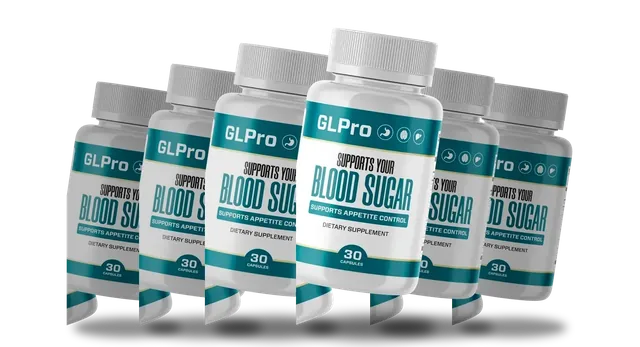
Two, three or six bottles from the licensed U.S. desk, 30 capsules a bottle, with 60 days from the purchase date to change your mind.
$49 to $79 a bottle · 60 days to change your mind
Order GLPro On The Official WebsitePaid once at the checkout · 60-day money-back guarantee · lot GLP-26/GL-5442