GLPro Official Website › Blog › A Lot Code Is Not A Lab Report
A Lot Code Is Not A Lab Report
A lot code is a serial number for a production run, and it lets a maker trace a bottle back to the batch it came from. A certificate of analysis is a laboratory report on a sample from that batch. A brand can stamp a lot code on every bottle it ships and never publish a single certificate, and most of them do.
Two strings of characters follow a supplement bottle around, and they get talked about as though they were the same reassurance. A lot code and a certificate of analysis do genuinely different jobs, and the difference is worth having straight before either one is used to decide anything. One is an address — the other is a measurement.
What a lot code actually is
A lot code, or batch code, is a serial number for a production run. Everything made in one run under one set of records carries the same code, and the code lets the maker trace a finished bottle back to the raw material that went into it, the equipment it ran on and the paperwork filed at the time.
It exists mainly for the day something goes wrong. If a raw material turns out to be contaminated or mislabelled, the lot code narrows a recall from every bottle ever made to the few thousand that share a run. That is the whole of the function — a code records where a bottle came from and nothing about what is inside it.
- It identifies a run, so two bottles with the same code were made together.
- It is issued by the maker, in the maker’s own format, with no standard behind it.
- It is usually stamped rather than printed, which is why it is on the base.
- It carries no result of any kind, so it cannot be right or wrong about quality.
MedlinePlus’s summary of the category is worth keeping in view: supplements do not go through the testing that drugs do, and a traceability code is not testing. The batch page on this website shows where the code sits on this particular bottle.
What a certificate of analysis actually is
A certificate of analysis is a laboratory report on a sample taken from one lot. Depending on what was ordered, it reports identity, potency against the declared amounts, heavy metals, microbiological limits, residual solvents or pesticides. It carries the name of the laboratory, the method used, the date and the specification each result is being judged against.
Why that structure is what makes it evidence
That structure is what makes it evidence rather than assertion. A certificate can be wrong, out of date or narrower than it looks, but it can be read and disputed, which is more than a picture on a carton allows. The FTC’s standard for health claims is competent and reliable scientific evidence, and a lab report on the thing in the bottle is the plainest version of that a maker can hold. Our quality page sets out what this desk holds and what it does not.
Why one is on every bottle and the other rarely
The economics explain most of it. A lot code costs a line of ink and some record-keeping, and it protects the maker first. A certificate costs a test per analyte per lot, takes time, and once published it becomes a number the maker can be held to for the life of the product.
So the code goes on everything and the certificate goes in a filing cabinet. That is the ordinary state of the category rather than a sign of anything wrong with a particular brand. It does mean that “every bottle carries a lot number” is close to meaningless as a trust signal, because it is true of almost every supplement sold, and that a brand publishing certificates is doing something genuinely unusual. The FDA’s own consumer page is the reminder of the backdrop: supplements are not reviewed for effectiveness before they go on sale, so what a maker volunteers is most of what there is. This desk publishes what it holds and marks the rest as unheld rather than filling it in.
The two, side by side
Laid out in one table the division is easy to keep hold of, and it survives being applied to any brand in any aisle. One document tells you where a bottle came from. The other tells you what was found in a sample of it, and only the second kind of record is the sort of thing a substantiation standard is interested in. Our quality page uses the same split.
| Lot or batch code | Certificate of analysis | |
|---|---|---|
| What it is | A serial number for one production run | A laboratory report on a sample from that run |
| Who produces it | The manufacturer’s own records | A laboratory, in-house or independent |
| What it proves on its own | Which run a bottle came from, and nothing else | What the lab found in the sample it was given |
| Where you see it | Stamped or printed on the bottle, often on the base | Rarely anywhere; usually supplied on request, if at all |
| What it costs to produce | Effectively nothing | A test per analyte, per lot, plus the time |
| What it commits the maker to | Traceability, which matters most during a recall | A published number that can later be checked against |
Both are ordinary parts of supplement manufacturing. The asymmetry in the last two rows is most of the reason one is common and the other is not.
Order GLPro from the licensed U.S. desk
Every order that leaves this desk carries a lot reference and the 60-day money-back window from the date of purchase. Order support can match the lot on your bottle to your order ID.
$49 to $79 a bottle · 60 days to change your mind
Order GLPro On The Official WebsitePaid once at the checkout · 30 capsules a bottle · lot GLP-26/GL-5442
What a certificate cannot do either
A certificate is a better document than a code and still a narrow one. It describes one sample, from one lot, tested on one date, for the analytes somebody chose to order. A clean report on last spring’s run says nothing about the bottle in your hand unless the lot numbers match — which is precisely why the two documents belong together.
It also has to be read against something. A potency result is only meaningful beside a declared amount, which is what a Supplement Facts panel exists to provide. With no declared amounts, a potency column has no specification to be compared against and the report shrinks to a list of measurements. That is a limit worth knowing before asking for one; the label page sets out which fields this product publishes.
- It covers the lot named on it, and no other lot.
- It covers the analytes that were ordered, and no others.
- It reports a sample, not the bottle you were sent.
- Potency results need a declared amount to be judged against.
- An in-house report and an independent one are both certificates, and they are not equally persuasive.
The two references on a GLPro bottle
Two references travel with this product and they are printed on this website rather than kept back. The lot is GLP-26/GL-5442. The certificate reference is GLP-5442-26-GL. Both are supplied by the supplier, and the supplier describes both as draft labels rather than as a laboratory report.
That is a plain description of what this desk holds, stated once. No certificate for this lot has been read here, so neither a copy nor a summary of one is published, and nothing on this website presents a lot code as a purity or potency result. What a buyer can do instead is check the bottle itself, which takes a minute and is more informative than either string of characters. The batch verification page walks through it.
| The check | Where to look | What it tells you |
|---|---|---|
| The lot code | Stamped on the base, with the best-before date | Which run your bottle came from, and the number to quote to a desk |
| The order record | The confirmation email from your order | Which lot left this desk against your order ID, if you ask support |
| The front label | The printed carton, read line by line | Whether the wording matches the artwork you were shown |
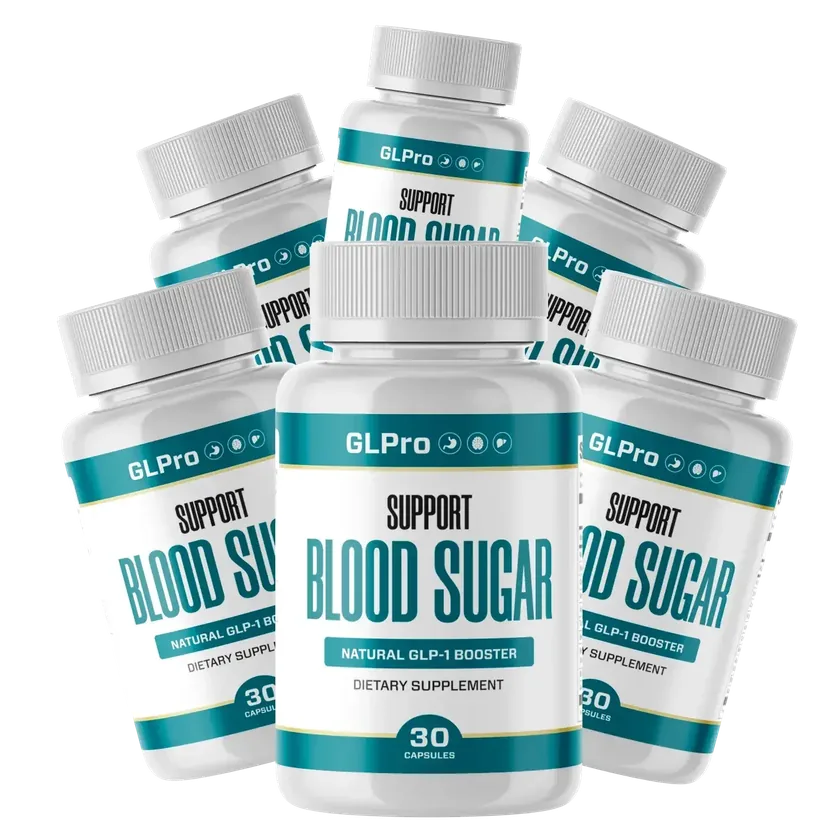
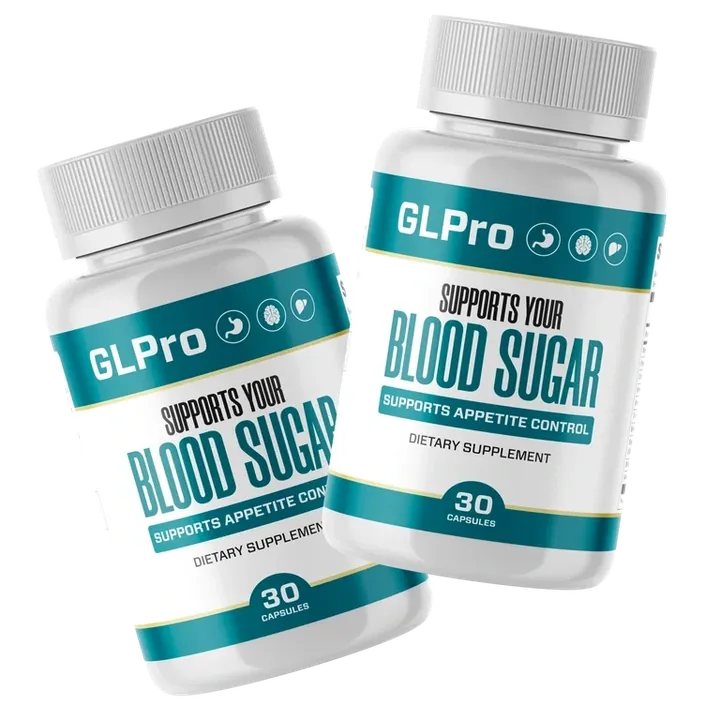
| The second label version | Support Blood Sugar, Natural GLP-1 Booster | That a bottle reading differently from the main artwork is still the product you bought |
Lot GLP-26/GL-5442 and certificate reference GLP-5442-26-GL are the references this desk holds; the supplier describes both as draft labels rather than as a laboratory report.
How to ask for a certificate
Asking well gets a better answer than asking generally, whichever brand you are asking about. Four details turn a vague request into one a desk can actually action.
- Quote the lot code from the base of your bottle. A request without one cannot be matched to a run.
- Say which tests you are asking about: identity, potency, heavy metals, microbiology.
- Ask who performed them and on what date, and whether the laboratory was independent.
- Ask what specification each result was judged against, because a number with no specification beside it settles nothing.
- Ask by email so the answer is in writing, and keep it with the order confirmation.
A desk that holds nothing should say so, and a desk that says so is more useful than one that produces something vague. The order desk for this product handles tracking, changes, cancellations and refunds, and it is the right address for a question about a lot. The standing advice to tell your own clinician what you are taking applies regardless of what comes back.
Where a studied product would show up
A certificate answers what is in a bottle. It does not answer whether the finished product has ever been tested on people, and those are separate questions that get conflated constantly in this category.
Studies of finished products are registered publicly. ClinicalTrials.gov is a free database of clinical research studies and their results, run by the U.S. National Library of Medicine, and it takes about a minute to search by a product name. That is a check any buyer can run themselves rather than take anyone’s word for, including this desk’s, and it is the same check our category checklist recommends before any purchase in this aisle.
Nothing on this page treats, prevents or manages diabetes or prediabetes, and no certificate or lot code changes that. If you take insulin, a sulfonylurea or a meglitinide, those medicines already move blood glucose, and an unpublished formula cannot be checked against them. Speak to the prescriber before starting any supplement in this category.
Sources cited in this article
- MedlinePlus, U.S. National Library of Medicine. Dietary Supplements. https://medlineplus.gov/dietarysupplements.html
- U.S. Food and Drug Administration. Mixing Medications and Dietary Supplements Can Endanger Your Health. https://www.fda.gov/consumers/consumer-updates/mixing-medications-and-dietary-supplements-can-endanger-your-health
- Federal Trade Commission. Health Products Compliance Guidance. December 2022. https://www.ftc.gov/business-guidance/resources/health-products-compliance-guidance
- 21 CFR 101.36 - Nutrition labeling of dietary supplements. Electronic Code of Federal Regulations, Title 21, Part 101, Subpart C. https://www.ecfr.gov/current/title-21/chapter-I/subchapter-B/part-101/subpart-C/section-101.36
- U.S. National Library of Medicine. About ClinicalTrials.gov. https://clinicaltrials.gov/about-site/about-ctg
Order GLPro on the official website
One capsule a day, 30 to a bottle, with 60 days from the purchase date to ask for the money back.
$49 to $79 a bottle · 60 days to change your mind
Order GLPro On The Official WebsitePaid once at the checkout · 60-day money-back guarantee · lot GLP-26/GL-5442